
DMG Mori Global One set to play an important role in collecting Southern Ocean scientific data during The Ocean Race World
Monitoring and analysing the way in which the Southern Ocean acts as a carbon sink is critical to our understanding of the effects of climate change, and an IMOCA yacht in the next Ocean Race will contribute to our data collection on this key dynamic.
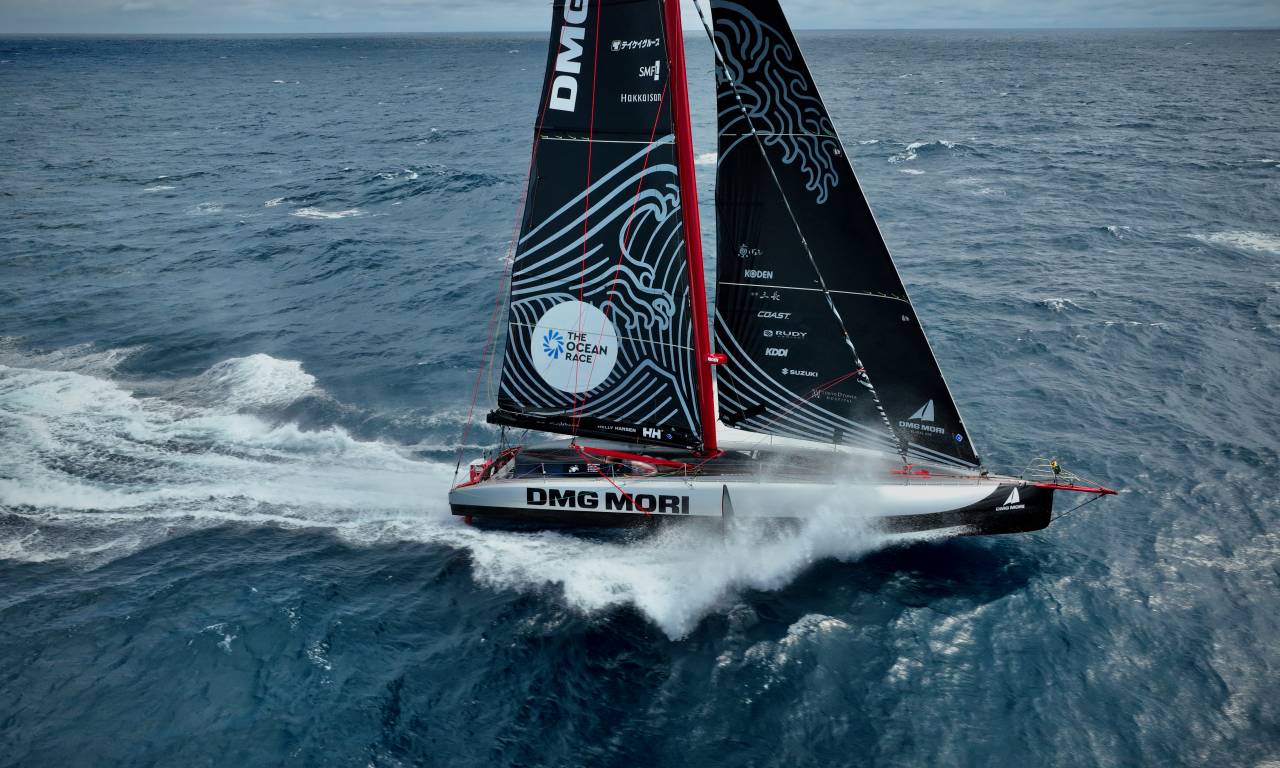
DMG Mori Global One, skippered by Japanese sailor Kojiro Shiraishi, will set sail from Alicante in southern Spain in January with a sophisticated device on board capable of measuring carbon dioxide levels in the ocean surface water, and then transmitting its data to scientists on land.
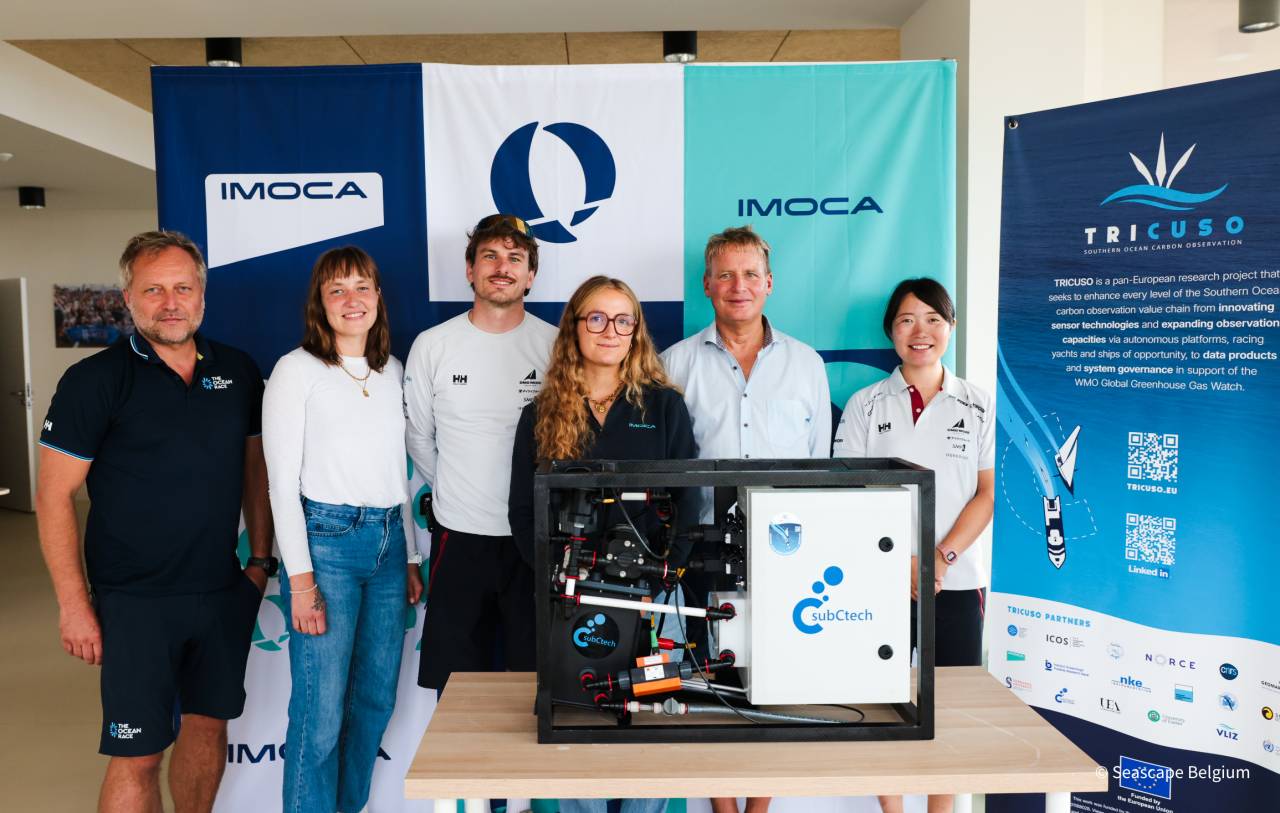
The SubCtech OceanPackTM RACE will generate measurements as part of a pan-European research project focussed on expanding the capacity for observation in the Southern Ocean called TRICUSO. This brings together 18 partners, is funded by the EU, and was set up in January 2025 and runs until the end of 2028.
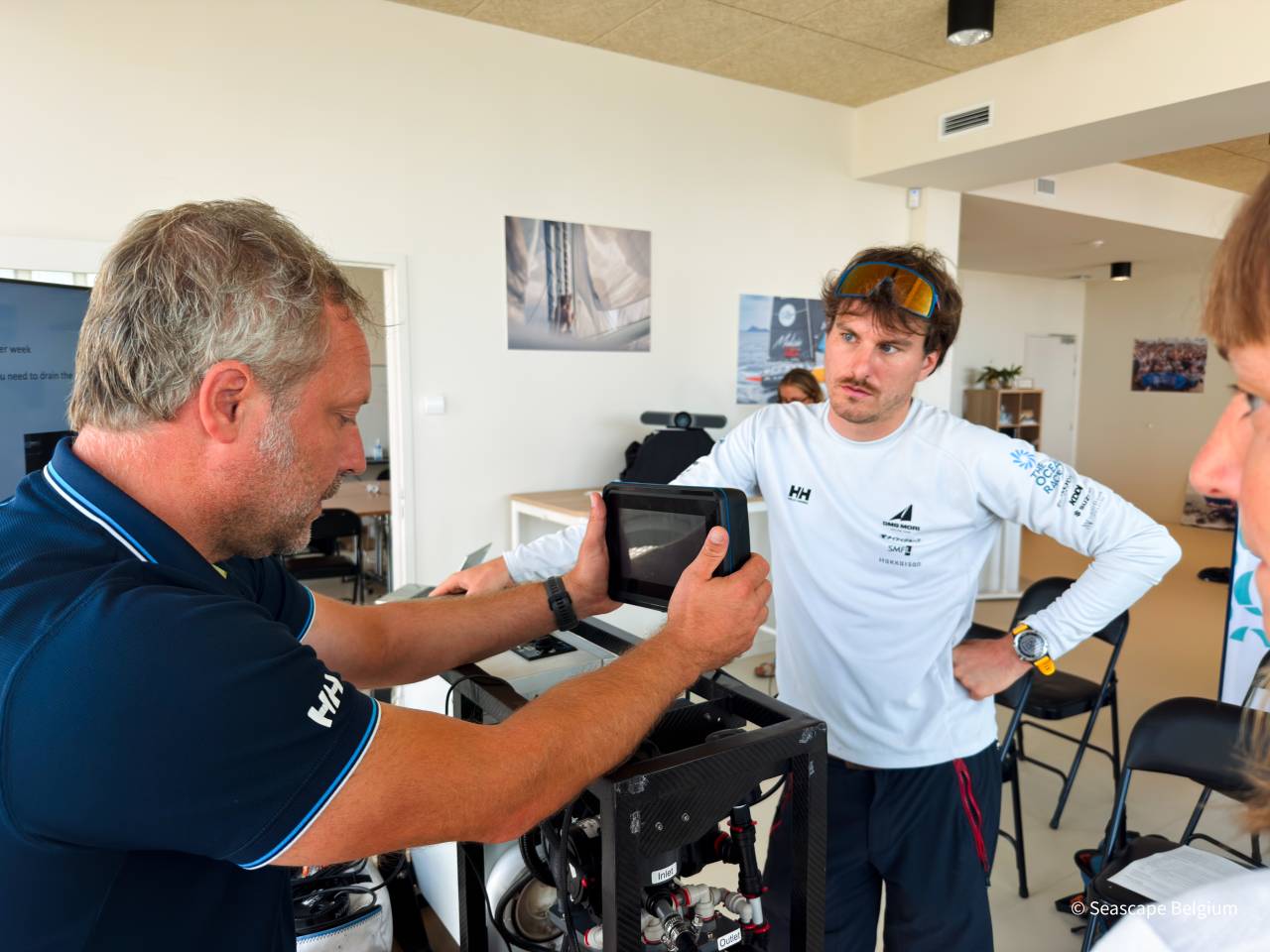
The compact OceanPack, which weighs in at about 18 kilograms, measures CO2 in the water while the IMOCA yacht is racing.“Where weight and space are limited on board, and each centimetre and gram is a precious commodity, making room for instruments is a commitment to scientific research that will help us better understand the ocean and climate change,” said Toste Tanhua, TRICUSO Senior Scientist.
Stefan Raimund, Senior Science Advisor at The Ocean Race, said initiatives of this kind are now an integral part of the round the world race: “The Ocean Race has been contributing to advancing ocean science for over 25 years. Today, our science programme is the most comprehensive environmental data collection initiative undertaken by any sporting event, and we’re proud to be helping researchers build a better understanding of our changing ocean and climate.”
The TRICUSO team said the Ocean Pack has been designed for racing yachts. Kristin Kampen, a TRICUSO researcher, said: “The instrument has been further developed through collaboration between GEOMAR, SubCtech and IMOCA, bringing together scientific expertise, technical development and field experience. As part of the TRICUSO project, the GEOMAR team is conducting ongoing laboratory and at-sea testing to further optimise its performance and achieve the best possible data quality.”
TRICUSO says gathering more information from the remote Southern Ocean - The Ocean Race will travel from Alicante to Auckland in New Zealand via the Southern Indian Ocean, and then Auckland to Itajai in Brazil via the Southern Pacific - is particularly important when it comes to understanding the rate of climate change: “The Southern Ocean has many important characteristics and hosting the Deep Ocean carbon sink is one of the most significant. We know the ocean absorbs about 30% of the total amount of anthropogenic carbon dioxide emissions, keeping it from the atmosphere. This service plays an essential role in moderating the rate of climate change. Therefore, we need to gain a better understanding of the chemistry, biology and flux dynamics of the ocean carbon cycle, and we need to reduce the uncertainty of current model predictions, as they have an impact on policy decisions,” said Richard Sanders, TRICUSO’s project coordinator.
 © anne BEAUGE
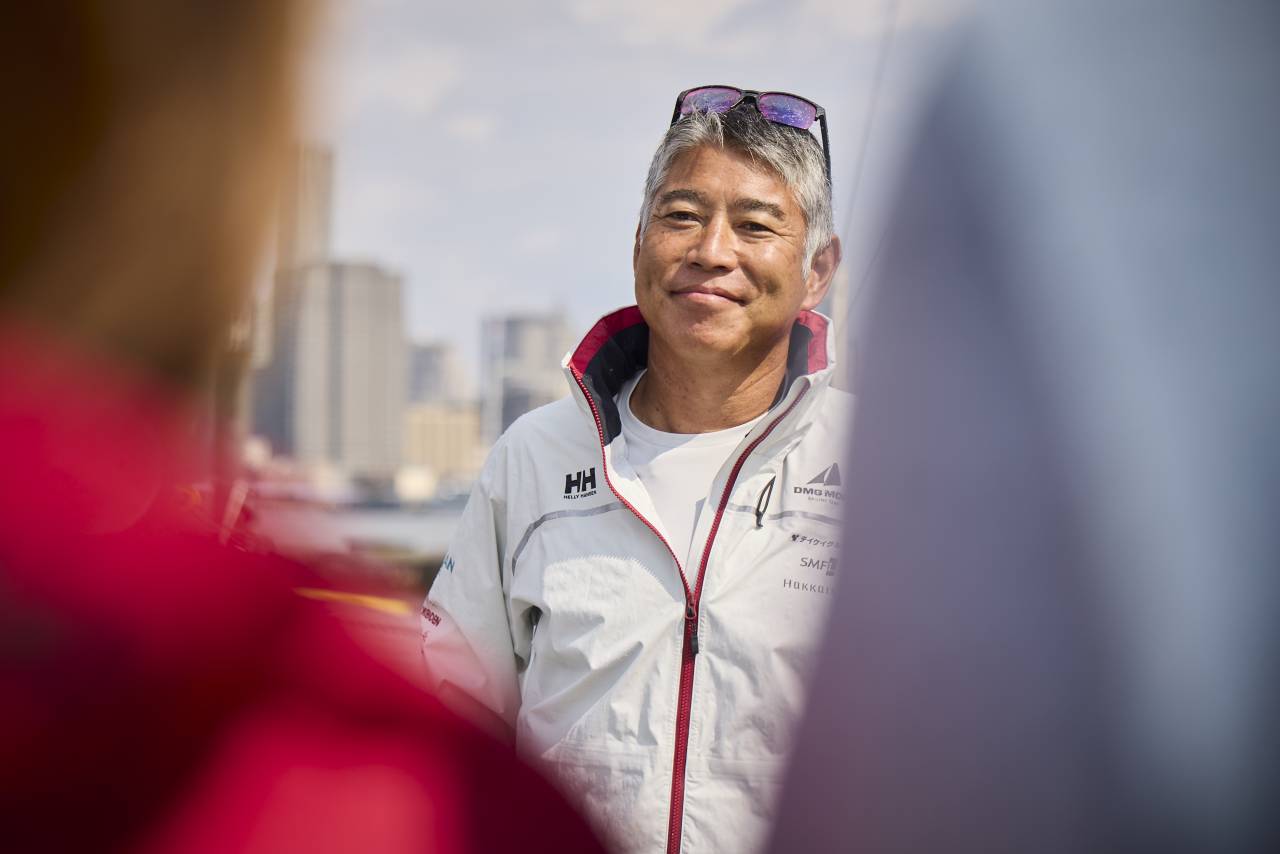
For Kojiro Shiraishi, taking the OceanPack on board DMG Mori Global One reflects his and his team’s belief that helping to preserve the health of the waters they sail on is part of their responsibility as professional sailors and racers. “For us sailors, the ocean is not simply the playing field for our races,” said Shiraishi. “We sail thanks to the power of the wind, waves and currents, and it is the ocean that makes our adventures possible and allows us to move forward. That is why I believe our role is not simply to take part in races; it is also important to give something back to the ocean. I feel very honoured to be able to carry an OceanPack on board and contribute to ocean observation while sailing.”
The Japanese skipper added that, in helping with the TRICUSO project, he and his crew will be helping to make sure the “voice” of the ocean is heard: “We race with the goal of winning but, at the same time, we have a responsibility to preserve the ocean for future generations. We are not scientists, but because we sail in areas that are difficult for scientists to access, there are things that we are uniquely able to do. I believe observing and recording the small changes taking place in the ocean, and then making sure its voice is heard on land, is becoming part of the role of sailors at sea.”
Shiraishi said that working with TRICUSO during The Ocean Race gives him and his crew the chance to raise the profile of the importance of protecting the ocean. “The Ocean Race attracts the attention of a large audience around the world,” he explained. “This means that we can not only share the data collected with scientists, but also use the race as a way to show as many people as possible what is currently happening in our oceans."
“The ocean is a vast world without borders,” he added, “and I believe that by bringing together sailors, scientists, teams and all the people who follow and support the race, we can create a real collective effort to better understand and protect the ocean.”
Crédit photo Maxime Falcon
Ed Gorman
Teams info
Groupe Dubreuil – Air Caraïbes: Sébastien Simon’s incredible comeback!
Sébastien Simon’s gamble has paid off! Just three months after launching his new boat, Groupe Dubreuil – Air Caraïbes, the skipper from the Vendée has finished 6th in the IMOCA class of the Route du Rhum.
•••After a high-caliber IMOCA podium: some lessons can be drawn from the Route du Rhum-Destination Guad…
Following the victory of Corentin Horeau (MACSF), with Boris Herrmann (Malizia 4) and Elodie Bonafous (Association Petits Princes-Quéguiner) rounding out the podium IMOCA.
•••Championship ranking
| 01 |   | Francesca CLAPCICH
11TH HOUR RACING | 466.00 pts | |
| 02 |   | Sam GOODCHILD
MACIF SANTÉ PRÉVOYANCE | 430.00 pts | |
| 03 | | Elodie BONAFOUS
ASSOCIATION PETITS PRINCES - QUÉGUINER | 388.00 pts | |
| 04 |  | Boris HERRMANN
MALIZIA 4 | 330.00 pts | |
| 05 | | Nico D'ESTAIS
CAFÉ JOYEUX | 297.00 pts | |
| 06 | | Corentin HOREAU
MACSF | 283.00 pts | |
| 07 | | Arnaud BOISSIÈRES
APRIL MARINE - RECHERCHE CO-PARTENAIRE | 249.00 pts | |
| 08 | | Ambrogio BECCARIA
ALLAGRANDE MAPEI | 245.00 pts | |
| 09 | | Violette DORANGE
INITIATIVES-CŒUR | 241.00 pts | |
| 10 | | Paul MEILHAT
UNITED BY THE OCEAN | 200.00 pts | |
| 11 |  | Kojiro SHIRAISHI
DMG MORI GLOBAL ONE | 165.00 pts | |
| 12 | | Sébastien SIMON
GROUPE DUBREUIL - AIR CARAÏBES | 164.00 pts | |
| 13 | | Davy BEAUDART
BUREAU VALLÉE | 153.00 pts | |
| 14 |  | Oliver HEER
EMBRACE THE CHALLENGE | 140.00 pts | |
| 14 | | Maxime SOREL
VAINCRE LA MUCOVISIDOSE | 140.00 pts | |
| 16 |  | Conrad COLMAN
MSIG EUROPE | 130.00 pts | |
| ... | ||||