An action-packed 2026 season ahead for IMOCA with five races including the Vendée Arctique, The Ocean Race Atlantic and the Route du Rhum
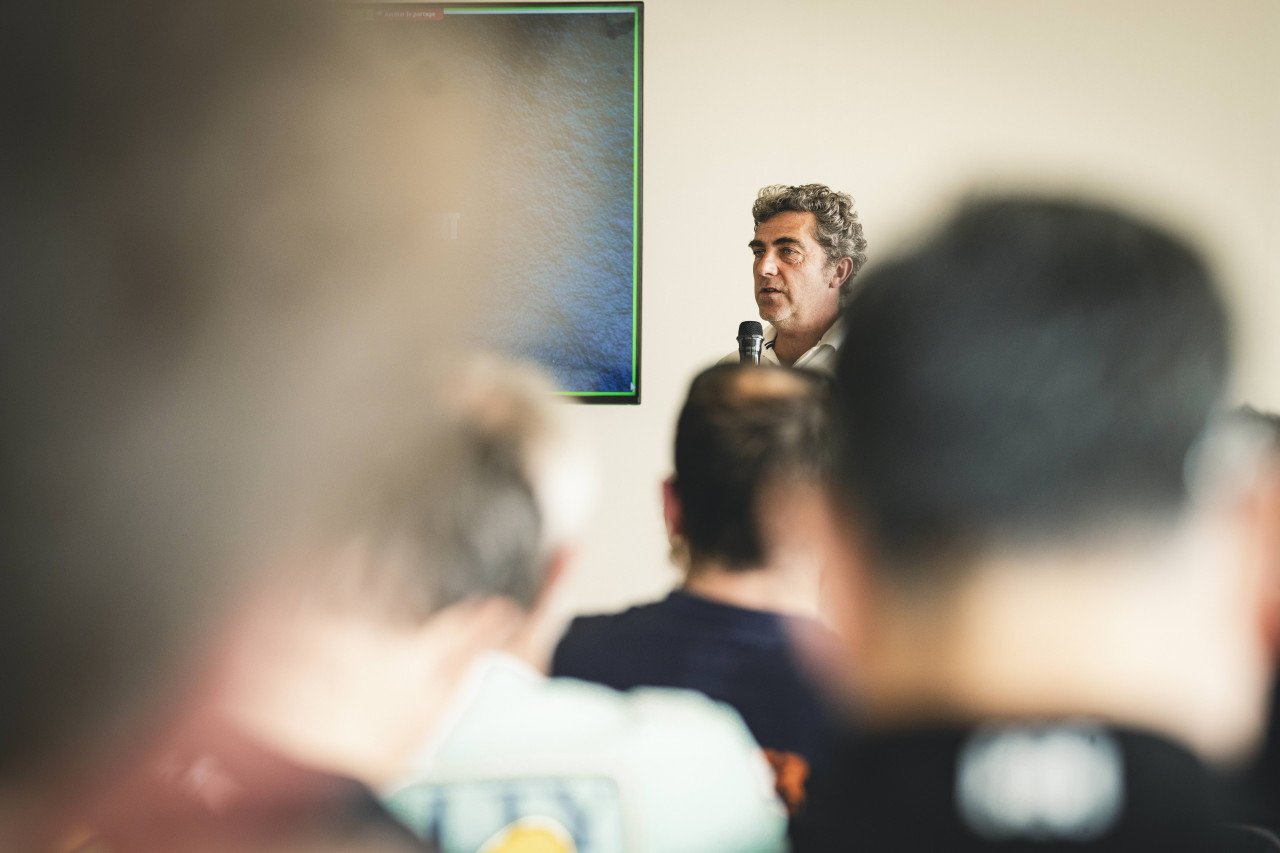
Antoine Mermod, the President of the IMOCA Class, is looking forward to what will be his ninth season at the helm of the world's most exciting offshore ocean racing class, and says 2026 is going to be another action-packed year.
With five races on the calendar, including the solo Vendée Arctique - Les Sables d’Olonne, the fully-crewed Ocean Race Atlantic and then the solo Route du Rhum-Destination Guadeloupe, Mermod says there is much to look forward to with not only great races but new skippers and new boats too.
Mermod highlights the mix this season between solo and fully-crewed races, a distinctive feature of IMOCA, which now embraces not only the four-yearly Vendée Globe solo round the world race but also The Ocean Race, the unofficial world championship of fully-crewed ocean racing.
“This combination of the very best in solo ocean racing, which we will see this year in events like the Vendée Arctique and the Route du Rhum, and the equivalent standard in fully-crewed racing exemplified by this season’s Ocean Race Atlantic, makes the whole IMOCA programme very attractive for race fans all over the world,” commented Mermod.
“It is still an exceptional time for the IMOCA Class. Four years ago we had record-breaking fleets during an extraordinary time and now numbers are a little bit less,”said Mermod. “But the quality of the challenge, the level of competition, the new boats, the technology is still as good as it ever was.”
After the opening event which starts in three weeks time - the solo 1,000 Race from Port-la-Forêt to Concarneau via the Fastnet Rock - the next big test is the third running of the IMOCA Class’s unique northern latitudes challenge - the Vendée Arctique. This sets sail from Les Sables d’Olonne on June 7th and takes the solo skippers up to the Arctic Circle and back.
 © ©Julien CHampolion - polaRYSE / IMOCA
Copyrighted
For editorial uses only.
contact@polaryse.com
© ©Julien CHampolion - polaRYSE / IMOCA
Copyrighted
For editorial uses only.
contact@polaryse.com
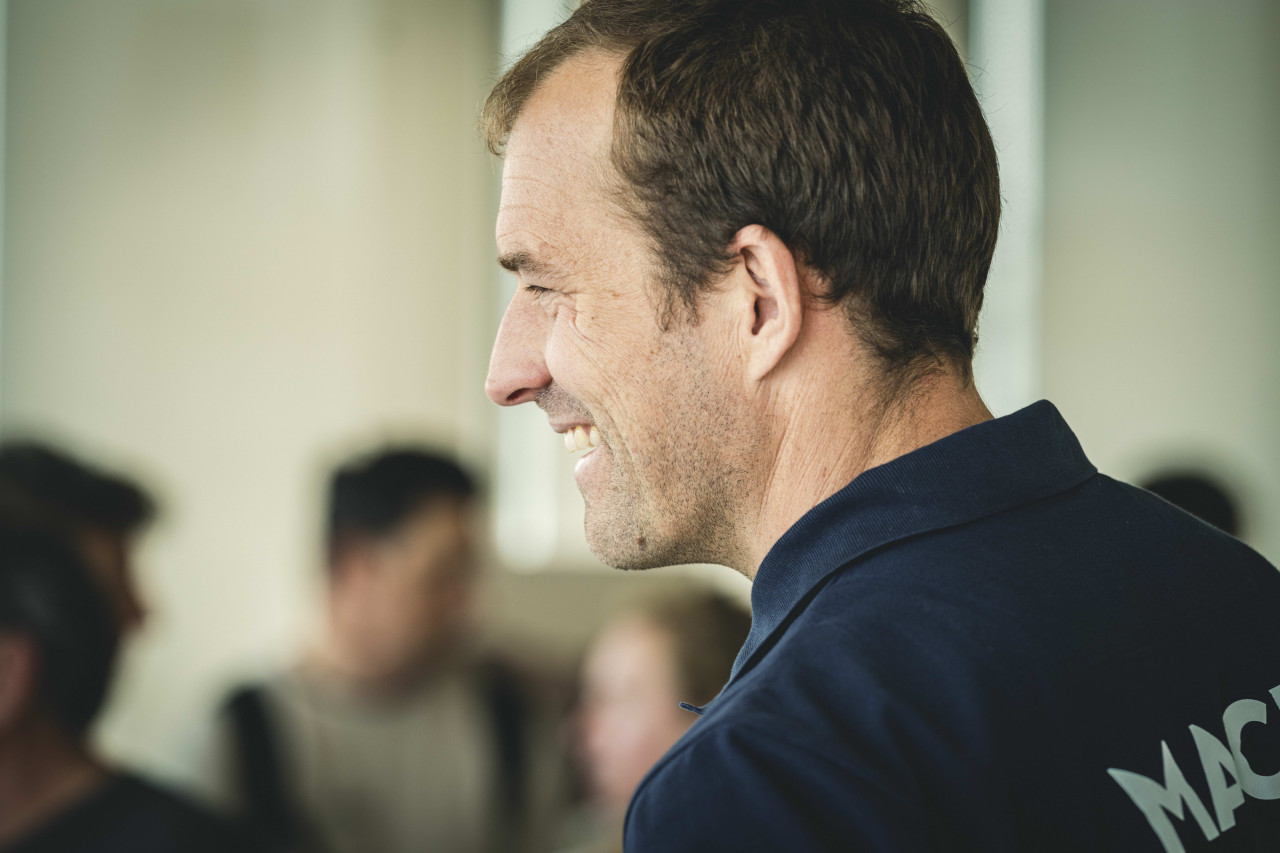
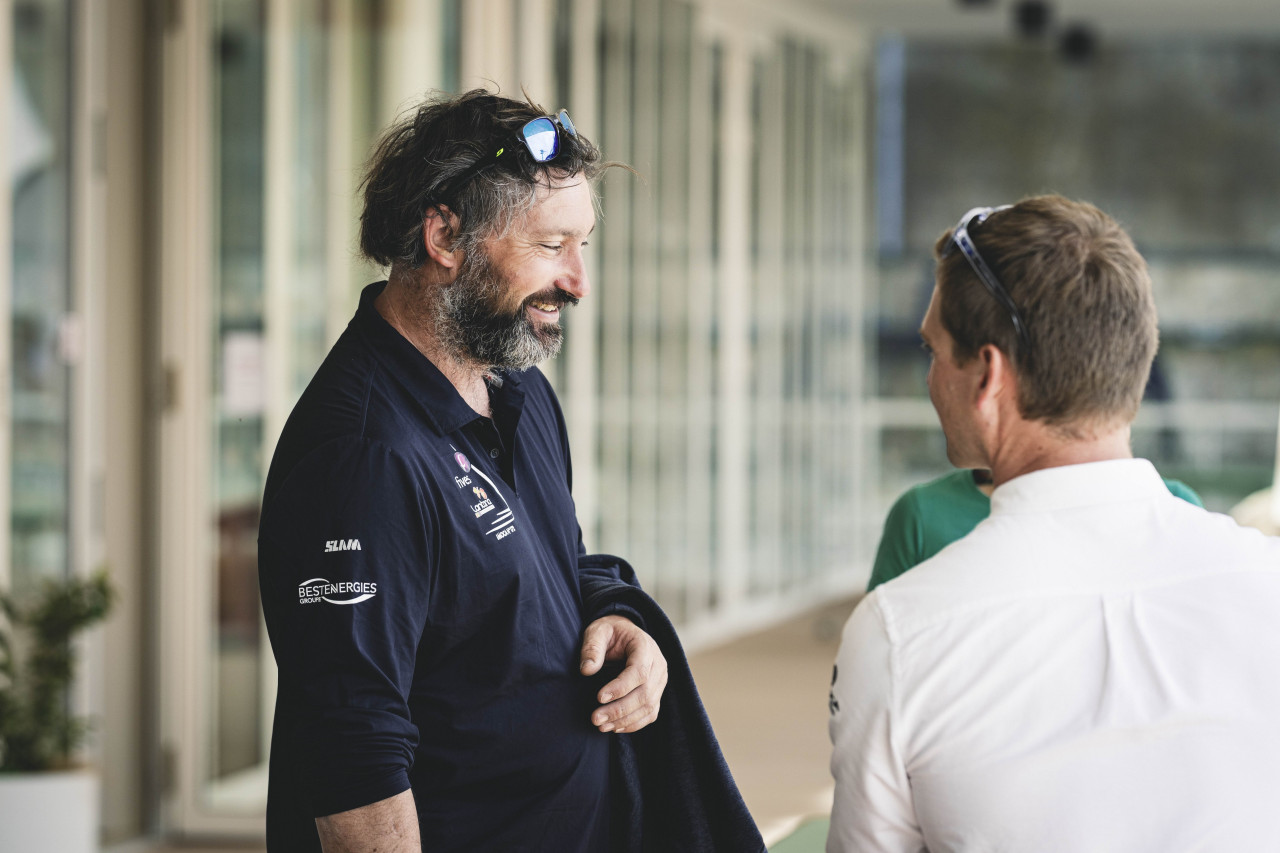
There are currently 10 IMOCA teams entered, among them the reigning IMOCA Globe Series Champion Sam Goodchild (GBR) on MACIF Santé Prévoyance. The race also features no less than six sailors making their debut as solo skippers in the IMOCA Class. They are the Italian sailor Ambroggio Beccaria on Allegrande MAPEI, Elodie Bonafous (FRA) on Association Petits Princes-Quéguiner, Francesca Clapcich (ITA/USA) on 11th Hour Racing, Nicolas D’Estais (FRA) on Café Joyeux, Violette Dorange (FRA) on Initiatives-Coeur and Corentin Horeau (FRA) on MACSF.
This is a race that Mermod loves because it goes where no others do. “Actually the real challenge is going so far north,”said Mermod, “and also going to where the Atlantic weather systems form, which means the forecast the skippers have can change dramatically after only a few hours. This year the course requires the boats to cross the Arctic Circle and then head back to Les Sables d’Olonne - it’s a big challenge and I can’t wait to follow it.”
The Vendée Arctique had an interesting start. It was created in 2020 during the Covid pandemic to offer IMOCA skippers the chance to qualify and prepare for the Vendée Globe and it has since secured a firm place in the Class’s racing calendar. “After the inaugural race we decided with SAEM Vendée to work together, and for them to organise the Vendée Arctique and try to make it one of the most compelling races within the four-year journey to the Vendée Globe,”said Mermod.
 © ©Julien CHampolion - polaRYSE / IMOCA
Copyrighted
For editorial uses only.
contact@polaryse.com
© ©Julien CHampolion - polaRYSE / IMOCA
Copyrighted
For editorial uses only.
contact@polaryse.com
Next up this year is the first running of The Ocean Race Atlantic which Mermod says can be viewed almost as a prologue to next season’s Ocean Race around the world. This transatlantic starts on September 2nd in New York and finishes in France (the city will be announced on April 15), offering an interesting course. There are five IMOCA teams registered with the boats racing fully-crewed with four on board, or three women and two men, plus an Onboard Reporter or OBR.
Among those entered are Team Malizia skippered by Boris Herrman of Germany in a new Antoine Koch-designed IMOCA, the Japanese sailor Kojiro Shiraishi and his crew also on a new boat - the latest DMG Mori designed by Guillaume Verdier -, Francesca Clapcich onboard 11th Hour Racing and the Swiss sailor Oliver Heer on board Embrace the Challenge.
The Défi Azimut-Lorient Agglomération starts on September 15th, showcasing the IMOCA fleet with its Speed Runs, Tour of the Ile de Groix and 48 Hours Solo Offshore, and then comes the season finale - one of the classics of French ocean racing, the Route du Rhum.
This year will see the second biggest IMOCA entry ever in this solo 3,500-mile transatlantic from St Malo to Point-à-Pitre in Guadeloupe, with up to 25 boats on the startline and a high quality fleet with, Mermod says, many boats capable of winning. “It’s a legendary classic on a course that we all know very well and winning it is very important and prestigious for our skippers,” he said. “It’s always a real challenge, often with quite a tough opening phase, and all the teams entering it will be focusing intently on preparing very precisely for this race.”
 © ©Julien CHampolion - polaRYSE / IMOCA
Copyrighted
For editorial uses only.
contact@polaryse.com
© ©Julien CHampolion - polaRYSE / IMOCA
Copyrighted
For editorial uses only.
contact@polaryse.com
In the build-up to this year’s racing the IMOCA Class held its Annual General Meeting in Lorient yesterday. With the Class Rules settled for the next Vendée Globe in 2028, there were no major changes voted for by the skippers. However, the next challenge is to agree and write the rules for the 2032 Vendée Globe which will be finalised in early 2028, with the emphasis once again on innovative technical and design solutions while ensuring fairness, safety, attractiveness to race fans and sustainability.
On that note, teams were encouraged to continue work on developing more efficient hydro-generators and it was agreed that the number of RISE (Reduced Impact Sail Evaluation) sails will increase for the 2027 and 2028 seasons from one to two per boat, with three allowed for the 2028 Vendée Globe.
“The RISE concept and the Eco Score, by which sails under this initiative are rated, is a success and we are very proud of the fact that it has become embedded in the competitive DNA of the IMOCA Class,” said Mermod. “With one RISE sail per boat, we now realise the criteria we set was not ambitious enough, so we are pushing forward a little bit to continue to challenge the sailmakers who have taken this idea on board so effectively.”
Ed Gorman
Teams info
Sailing to the Arctic Circle – the magic of the Vendée Arctique
The Vendée Arctique-Les Sables d’Olonne – currently mid-way through its third edition – is a yacht race like no other, that takes IMOCA skippers into waters no other sailing event touches.
•••Thank you Charlie
The IMOCA Class is very sad to learn of the passing today of Charlie Dalin, one of the greatest solo sailors of the modern era.
•••Championship ranking
| 01 |   | Sam GOODCHILD
MACIF SANTÉ PRÉVOYANCE | 50.00 pts |
| 02 | | Corentin HOREAU
MACSF | 45.00 pts |
| 03 | | Violette DORANGE
INITIATIVES-CŒUR | 40.00 pts |
| 04 | | Elodie BONAFOUS
ASSOCIATION PETITS PRINCES - QUÉGUINER | 38.00 pts |
| 05 |   | Francesca CLAPCICH
11TH HOUR RACING | 36.00 pts |
| 06 | | Nico D'ESTAIS
CAFÉ JOYEUX | 35.00 pts |
| 07 | | Arnaud BOISSIÈRES
APRIL MARINE - RECHERCHE CO-PARTENAIRE | 34.00 pts |